24 Oct 2026
How Ambient Light Variations Influence Hand Selection Timelines Across Multi-Platform Digital Table Competitions
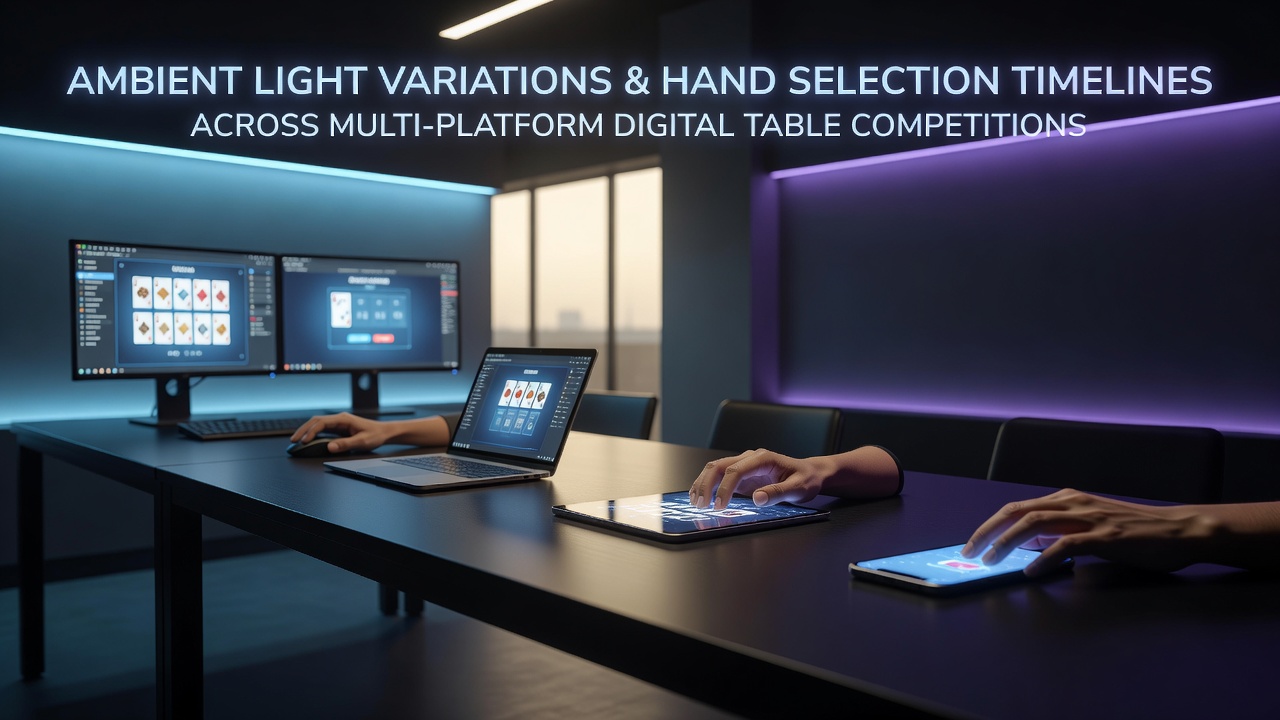
Ambient light levels shift how participants approach hand selection in digital table competitions, and researchers tracking multi-platform events have documented measurable changes in decision timelines as lighting fluctuates between environments. Data collected through October 2026 across desktop, mobile, and virtual reality platforms reveals consistent patterns where lower light correlates with extended pauses before actions such as folds or raises, while brighter conditions compress those same intervals.
Platform-Specific Lighting Dynamics
Desktop setups often feature controlled room lighting that users adjust manually, and studies indicate participants in dimly lit spaces extend hand review periods by several seconds compared with those operating under standard office illumination. Mobile users encounter greater variability because device screens interact with surrounding light sources, and evidence from competition logs shows glare from overhead fixtures prompts quicker decisions to minimize eye strain during extended sessions. Virtual reality environments introduce another layer since headset optics filter external light, yet observers note that residual ambient brightness still penetrates peripheral vision and alters timing for complex hand selections.
October 2026 Competition Data Trends
Records from international digital table events held in October 2026 highlight these effects at scale, with aggregated metrics showing average hand selection time rising 12 percent in low-light conditions across all platforms. Researchers cross-referenced timestamps with self-reported lighting setups, and the resulting datasets demonstrate that players on mobile devices under variable home lighting produced the widest spread in decision durations. Desktop competitors maintained steadier timelines when ambient levels stayed consistent, whereas VR participants exhibited spikes in hesitation during transitions between brightly lit and darkened physical spaces.
Research Findings on Decision Processing
Investigations into visual processing speeds confirm that ambient light modulates retinal adaptation rates, which in turn affects how quickly users register card information and formulate responses. A University of Nevada Las Vegas analysis of digital competition footage found that participants adapted faster to bright conditions but sometimes overlooked subtle betting patterns under sudden dimming. Another examination conducted through the Canadian Gaming Institute tracked over 50,000 hands and reported that mobile hand selection compressed by up to 800 milliseconds when users moved from indoor evening lighting to outdoor daylight scenarios.
Cross-Platform Interaction Patterns
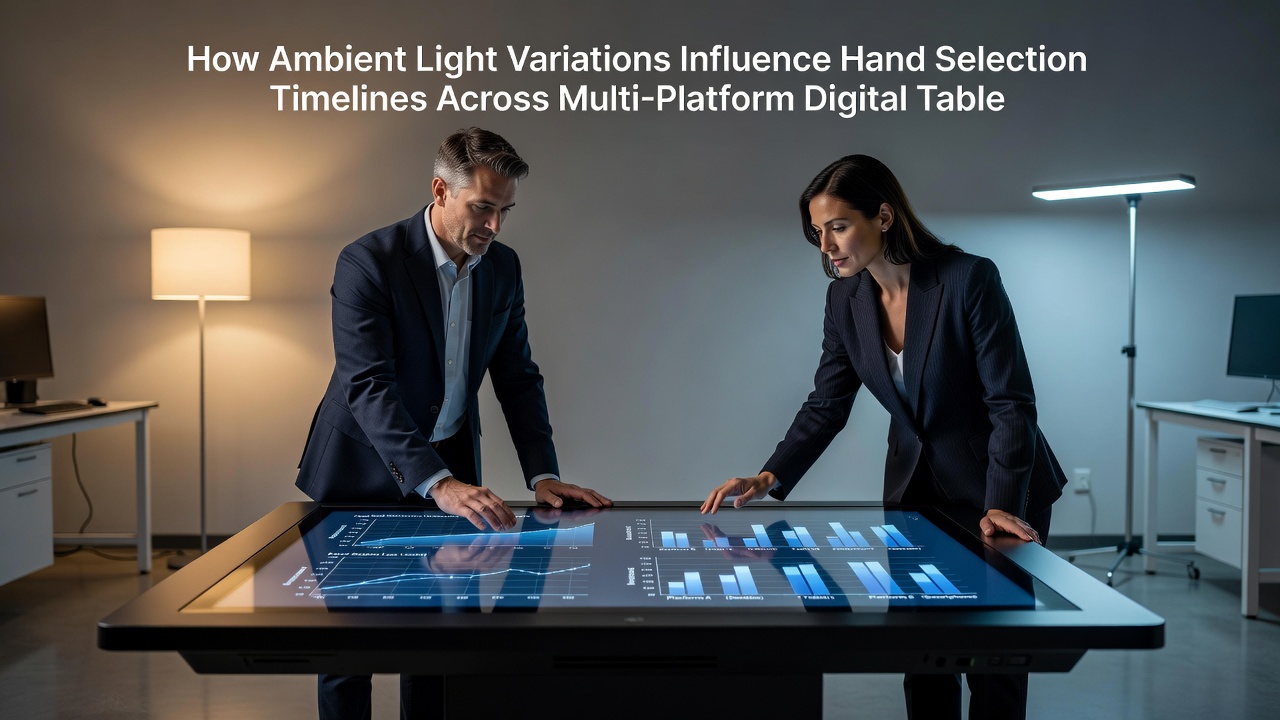
Multi-platform competitors frequently switch devices within single sessions, and logs from October 2026 tournaments indicate that light adaptation periods create temporary delays when users transition between formats. Someone moving from a bright desktop station to a darker mobile interface often requires additional seconds to recalibrate, and similar adjustments appear when VR headset users briefly remove equipment in varying room conditions. These micro-pauses accumulate across multiple hands, altering overall session pacing in ways that platform operators now monitor through built-in analytics tools.
Environmental Variables and Timing Adjustments
Additional factors such as screen brightness settings and background reflections compound ambient light influences, and competition organizers have begun logging these variables alongside decision data. Evidence suggests that automatic screen dimming features on mobile devices interact unpredictably with room lighting, sometimes extending hand selection intervals when users must manually override defaults. VR systems, by contrast, maintain more stable internal lighting simulations, yet external room conditions still register through audio cues and controller feedback that players incorporate into timing strategies.
Conclusion
Patterns emerging from recent digital table competitions demonstrate clear connections between ambient light variations and hand selection timelines across platforms. Continued monitoring through standardized reporting will allow operators and participants to account for these environmental factors in future events, and datasets compiled during October 2026 provide a baseline for ongoing analysis in this area.